
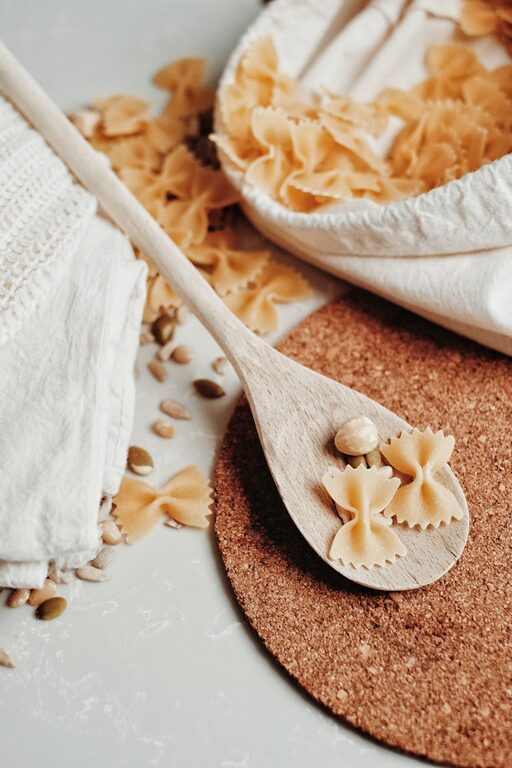
Reducing food waste at home is a simple yet impactful way to save money and contribute to a more sustainable environment. Each year, millions of tons of food are wasted worldwide, much of it from households. By making small adjustments in how we purchase, store, and use food, we can significantly reduce this waste. This post offers practical and easy-to-follow tips to help you get started.
Why Reducing Food Waste Matters
Before diving into the how, it’s important to understand why reducing food waste is worth the effort:
– Environmental impact: Food waste contributes to greenhouse gas emissions when it decomposes in landfills.
– Economic savings: Throwing away food means throwing away money spent on groceries.
– Resource preservation: Producing food requires water, energy, and labor; wasting food also wastes these resources.
With these points in mind, let’s explore ways you can help reduce food waste in your home.
Plan Your Meals and Shopping List
Make a Weekly Meal Plan
One of the biggest reasons for food waste is buying more food than you can use. Creating a meal plan for the week helps you buy only what you need.
– List meals for each day.
– Check your pantry and fridge to avoid duplicates.
– Consider flexible meals that use similar ingredients to minimize leftovers.
Shop with a List
Stick to your shopping list to avoid impulse buys. Shopping when you’re hungry often leads to buying excess food, so try to eat before heading to the store.
Store Food Properly
Understand Expiration Dates
Labels like “best before” and “use by” can be confusing. “Best before” indicates quality, while “use by” relates to safety. Many foods are still safe to eat after the best before date.
Use Proper Containers
Use airtight containers to keep food fresh longer, especially for leftovers, chopped vegetables, and opened packages.
Store Food in the Right Place
Some fruits and vegetables last longer in the fridge, while others do better at room temperature. For example:
– Keep apples and berries refrigerated.
– Store tomatoes and onions in a cool, dry place.
First In, First Out (FIFO)
Organize your fridge and pantry so older items are in front and used first. This helps prevent food from spoiling unnoticed.
Get Creative with Leftovers
Repurpose Meals
Leftovers can be turned into entirely new dishes. For example:
– Roast chicken can become chicken salad or tacos.
– Stale bread can be made into croutons or bread pudding.
Freeze Surplus Food
Many foods freeze well and can be stored for later use. Portion leftovers into small containers or bags to freeze.
Use Scraps Wisely
Vegetable scraps like carrot tops or onion skins can be saved and used to make homemade broth.
Manage Portion Sizes
Serving the right amount of food helps reduce plate waste.
– Start with smaller portions and add more if needed.
– Involve family members in portion decisions to avoid overeating.
Compost What You Can’t Use
Even with careful planning, some food scraps are unavoidable. Composting is an excellent way to recycle food waste into nutrient-rich soil for plants.
– Use a kitchen compost bin for vegetable peels, coffee grounds, and eggshells.
– Avoid composting meat, dairy, and oils unless you have a special compost system.
Educate and Engage Your Household
Reducing food waste is easier when the whole family participates.
– Talk about why food waste matters.
– Share tips and assign tasks, like checking the pantry before shopping.
– Encourage children to help with meal planning and food prep.
Use Technology to Help
There are many apps and tools designed to help track food inventory, plan meals, and find recipes for leftovers.
– Try apps like “Too Good To Go” to learn ways others reduce waste.
– Use reminder apps to notify you when food is nearing expiry.
Conclusion
Reducing food waste at home doesn’t require a complete lifestyle overhaul. With a few thoughtful changes in how you shop, store, and consume food, you can make a positive impact on your budget and the environment. Start with one or two strategies from this list and build from there. Every bit counts toward a more sustainable kitchen!
—
By committing to better food habits, you’re doing more than saving food—you’re helping to create a healthier planet for future generations. Happy cooking and saving!