
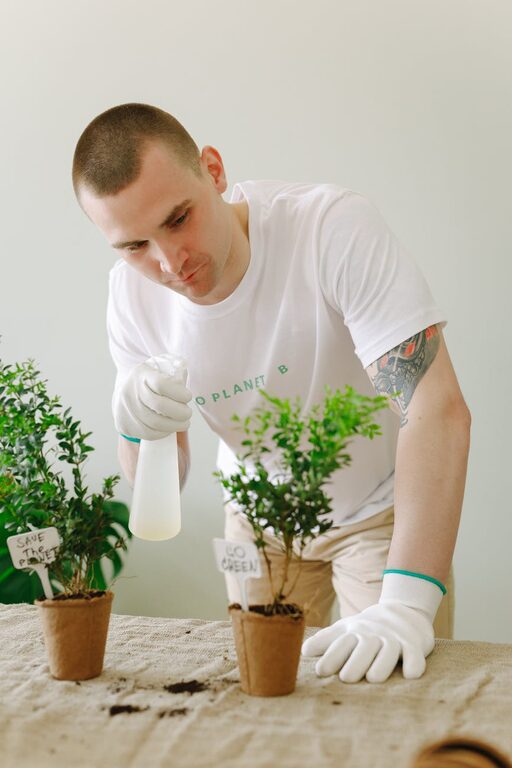
Bringing houseplants into your home can brighten your space and improve air quality. However, keeping them healthy requires some attention to their unique needs. Whether you’re a beginner or an experienced plant lover, these tips will help ensure your houseplants thrive.
Understanding Your Houseplant’s Needs
Every plant species has different requirements for light, water, humidity, and soil. Learning about your specific plants will help you provide the best care.
– Research your plants: When you buy or receive a new plant, look up its ideal growing conditions.
– Group by preference: Place plants with similar needs together to make care easier.
Light: The Right Amount for Growth
Light is crucial for photosynthesis, but not all plants like the same intensity or duration.
Types of Light for Houseplants
– Direct sunlight: Intense light best for succulents and cacti.
– Bright indirect light: Suitable for most tropical plants.
– Low light: Some plants tolerate or thrive in shaded corners.
Tips for Managing Light
– Rotate your plants regularly so all sides get even light.
– If natural light is limited, consider using grow lights for supplemental lighting.
– Avoid placing plants too close to heaters or air conditioners which can dry them out.
Watering: Finding the Right Balance
Overwatering is one of the most common reasons houseplants suffer. On the other hand, underwatering causes wilting and stress.
How to Water Correctly
– Check the soil moisture before watering by sticking your finger about an inch into the soil.
– Water thoroughly until water drains from the bottom, then empty excess water from saucers.
– Adjust watering frequency based on the season—plants typically need less water in winter.
Signs of Overwatering and Underwatering
– Overwatered plants: Yellowing leaves, mushy stems, moldy soil.
– Underwatered plants: Dry soil, curling or browning leaf edges.
Soil and Fertilization: Feeding Your Plants
Healthy soil provides nutrients and structure for roots.
Choosing the Right Soil
– Use potting mixes designed for your plant type.
– Ensure your pots have drainage holes to prevent root rot.
Fertilizing Basics
– Use a balanced, water-soluble fertilizer during the growing season (spring and summer).
– Follow the label instructions and don’t over-fertilize, as this can damage roots.
Humidity and Temperature: Creating a Comfortable Environment
Most houseplants prefer moderate humidity and stable temperatures.
Managing Humidity
– Increase humidity by misting plants, grouping them together, or using a humidifier.
– Some tropical plants especially benefit from higher humidity.
Ideal Temperature Range
– Most houseplants thrive between 65°F and 75°F (18°C to 24°C).
– Avoid placing plants near drafts, radiators, or cold windows.
Pruning and Cleaning: Keeping Plants Neat and Healthy
Regular pruning removes dead or yellowing leaves and promotes new growth.
– Use clean, sharp scissors or pruning shears.
– Clean leaves gently with a damp cloth to remove dust that can block light.
Pest Prevention and Control
Indoor plants can occasionally attract pests such as spider mites, aphids, or fungus gnats.
– Inspect plants regularly for signs of pests.
– Treat infestations early using insecticidal soap or natural remedies like neem oil.
– Quarantine new plants before introducing them to your collection.
Repotting: Giving Your Plants Room to Grow
Plants can outgrow their pots, leading to root crowding and poor drainage.
– Repot every 1–2 years or when roots become visible through drainage holes.
– Choose a pot slightly larger than the current one and refresh soil during repotting.
Conclusion
Keeping your houseplants healthy doesn’t have to be complicated. By understanding their needs for light, water, soil, and care, you can enjoy a flourishing indoor garden. Regular attention and a little patience will reward you with vibrant plants that brighten your home year-round.
Happy gardening!