
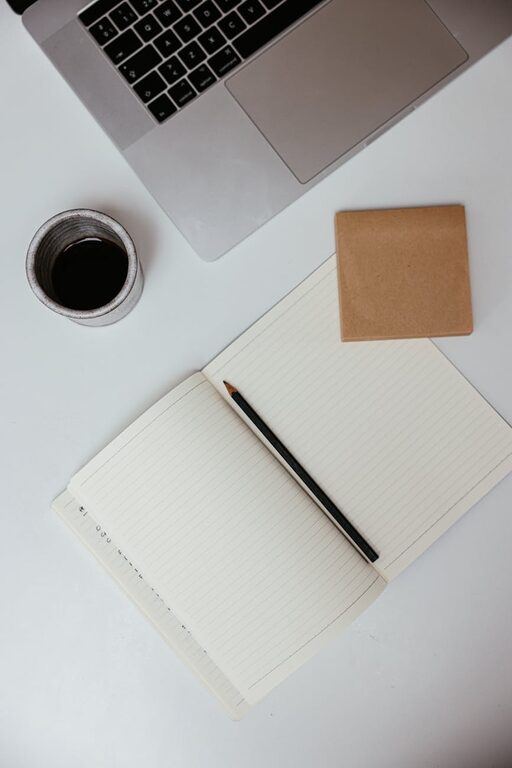
Choosing a notebook might seem like a simple task, but picking one that you’ll actually use regularly takes a little more thought. Whether you want it for journaling, work notes, sketching, or planning, the right notebook can inspire you to stay organized and creative. This guide will help you find a notebook that suits your lifestyle and encourages consistent use.
Understand Your Purpose
Before you start browsing options, clarify why you want a notebook. Different uses call for different features:
– Journaling or daily diary: You may want something with a nice cover and smooth pages.
– Work or school notes: Durability and organization might be your priorities.
– Sketching or artwork: Paper thickness and texture are important.
– Bullet journaling or planning: A dotted or grid layout may work best.
Knowing your primary purpose helps narrow down features and styles.
Decide on the Size
Notebooks come in many sizes, and choosing the right one affects convenience and usability.
– Pocket-sized (A6 or smaller): Easy to carry everywhere, but limited writing space.
– Medium (A5): Popular size for daily notes—portable but not too small.
– Large (A4 or bigger): Great for detailed work or large handwriting, but less portable.
Think about where you’ll carry the notebook and how much you usually write.
Choose the Right Paper Type
The paper quality can influence your writing experience and how long your notebook lasts.
– Paper weight: Measured in gsm (grams per square meter), heavier paper (80+ gsm) is sturdy and better for ink pens and markers.
– Texture: Smooth paper allows easier writing; textured paper can be good for sketches.
– Color: Most notebooks have white or cream-colored pages, while some have pastel shades to reduce eye strain.
If you plan to use markers or fountain pens, look for notebooks with bleed-resistant pages.
Select a Layout That Matches Your Style
Notebooks come with different page layouts:
– Lined: Great for writing and note-taking.
– Grid: Helps with diagrams and adds structure.
– Dotted: Popular for bullet journaling; offers flexibility.
– Blank: Ideal for sketches or freeform notes.
Try experimenting with a few types to see which helps you express your ideas best.
Consider the Binding Style
Binding affects durability and ease of use.
– Spiral-bound: Folds flat and pages can be torn out easily. Good for flexibility.
– Thread-bound: Durable and lays flat with use, often looks elegant.
– Glue-bound: Less expensive but may wear out quicker; some designs won’t lay flat.
Choose a binding that suits how often and where you write.
Think About the Cover Material
The cover protects your notes and reflects your personal style.
– Hardcover: Offers durability and protection. Good for carrying around.
– Softcover: Lightweight and flexible but less protective.
– Waterproof or plastic covers: Useful if you’re often on the go or in varied environments.
Pick a cover that fits your lifestyle and protects your work.
Add Features That Motivate You
Some notebooks include extras that encourage regular use:
– Page numbers: Help with organization and reference.
– Index pages: Useful for finding information quickly.
– Built-in pockets: Great for storing loose papers or receipts.
– Bookmark ribbons or elastic closures: Keep your place and keep the notebook closed.
Think about which features align with your habits.
Test Before You Commit
If possible, visit a store to feel the notebooks in person. Writing a few lines can help you judge the paper and layout. If shopping online, read reviews about paper quality and durability.
Make It Personal
Sometimes, the reason you keep using a notebook is simply that you enjoy it. Adding a personal touch, like a favorite cover design or stickers, can motivate you to open it regularly.
Final Tips
– Don’t be afraid to try different notebooks.
– Keep your notebook visible in your workspace.
– Pair your notebook with a favorite pen for added enjoyment.
– Set achievable goals for writing or sketching regularly.
With these considerations, you’re well on your way to choosing a notebook that not only looks good but becomes a useful part of your daily routine. Happy writing!